Tajweed for Children
Help young Quran readers improve pronunciation gradually without turning every lesson into theory.
Improve your Quran pronunciation with live, personalized online Tajweed classes. AlQuranWisdom helps kids and adults work on Makharij, Ghunnah, Qalqalah, Madd, Noon Sakinah, Tanween and practical recitation correction with flexible lesson times for U.S. learners.
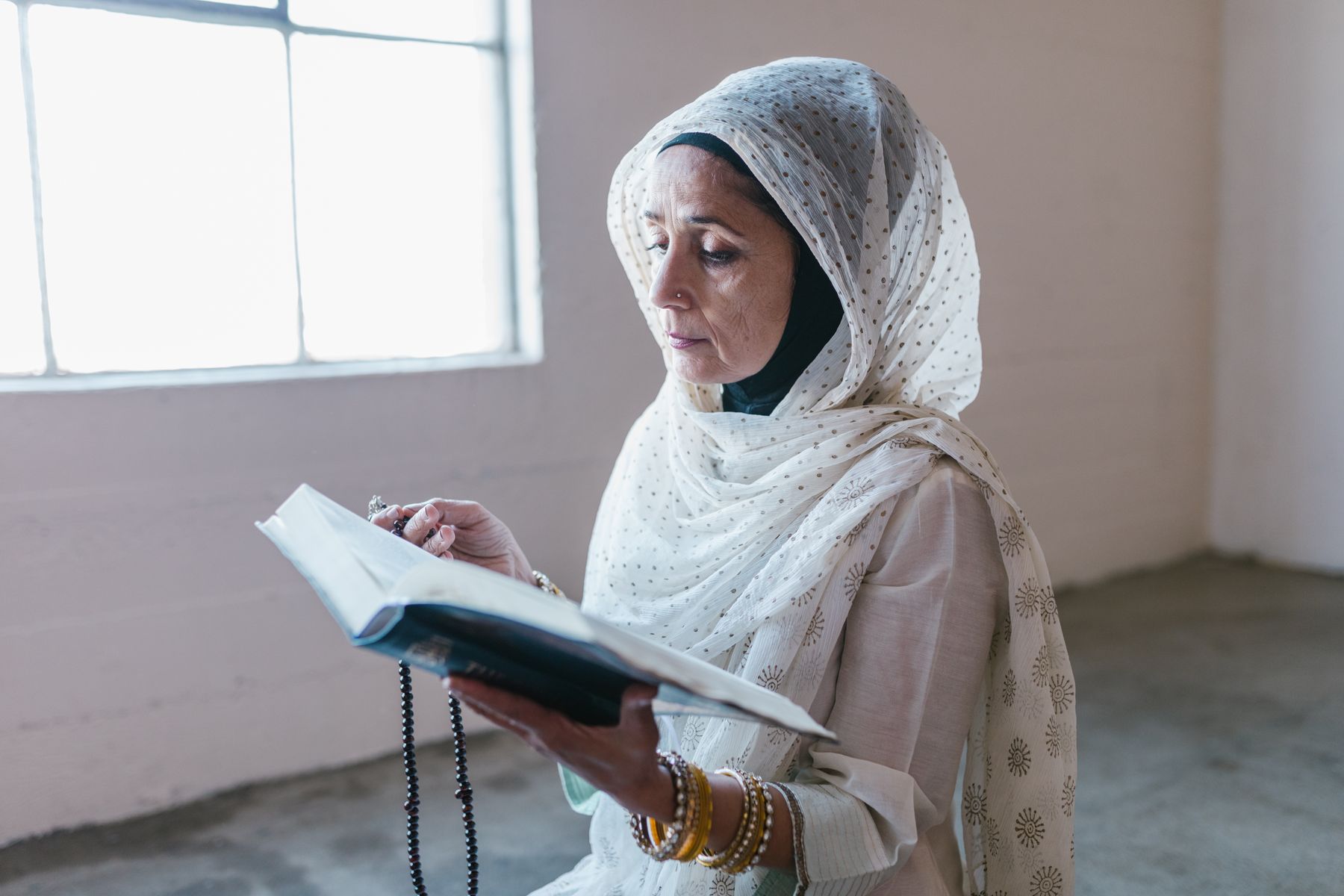

Some learners already read Quran fluently and need pronunciation refinement. Others still need stronger reading foundations before advanced Tajweed practice becomes useful.
Help young Quran readers improve pronunciation gradually without turning every lesson into theory.
Correct long-standing recitation habits and learn practical rules in a private lesson environment.
Strengthen reading confidence first, then add Tajweed correction as fluency improves.
Combine Hifz revision with pronunciation correction so errors are not repeatedly memorized.

A live teacher can hear pronunciation details that are difficult to identify when practicing alone.
Tajweed becomes more useful when a student learns a rule and immediately practices it in Quran recitation. A 1-to-1 lesson gives the tutor time to listen, stop, correct and repeat difficult sounds.
Listen to the target pronunciation or recitation pattern before repeating it yourself.
Apply the rule in real Quran reading rather than only studying written explanations.
Revisit the same sound or rule until the learner can reproduce it more consistently.
Lesson order can be adapted to the student’s current reading ability and the mistakes that appear during recitation.
Work on where Arabic letters are produced and how similar sounds differ.
Build awareness of characteristics that affect how Quran letters are pronounced.
Practice common rule patterns such as clear pronunciation, merging and concealment.
Apply the relevant recitation patterns during practical Quran reading.
Learn when Ghunnah appears and practice controlling its sound during recitation.
Practice Qalqalah without exaggerating or weakening the sound.
Recognize and apply common types of lengthening with more consistent timing.
Develop better awareness of where to pause and how to resume Quran recitation.
For students who still struggle to recognize, join or read Arabic words fluently.
Practical correction and simple rule explanations for children who can already read Quran.
Private recitation correction for adults building fluency or fixing long-standing habits.
Women and families can request a female Quran teacher for Tajweed learning based on availability.
Combine memorization with correction so new portions are practiced more carefully.
Use a free Quran assessment to identify whether reading foundations or Tajweed should come first.

A learner who needs basic pronunciation support may require a different lesson pace from a fluent reader refining advanced Tajweed. Teacher matching should consider the student’s age, current Quran reading level, course focus and schedule.

Use short explanations and repeat the rule through real Quran reading.
Children often learn Tajweed more effectively when the teacher keeps the explanation simple, demonstrates the sound and then corrects the child during recitation.
Introduce only the rule language the child needs at the current stage.
Spend more lesson time reading Quran aloud and applying the rule.
Revisit the same pronunciation issue until the child becomes more stable with it.
Consistent Tajweed improvement comes from repeatedly connecting the rule to actual Quran recitation.
Hear the target sound, letter or recitation pattern clearly.
Read Quran aloud and apply the rule in context.
Identify the exact pronunciation or timing issue.
Practice again until the corrected pattern becomes more consistent.

Online Tajweed scheduling can be arranged around major U.S. time zones, including after-school, evening and weekend preferences depending on tutor availability.
Lessons can cover Makharij, Sifaat, Noon Sakinah and Tanween, Ghunnah, Qalqalah, Madd and practical recitation correction according to the learner’s level.
If Arabic reading is still difficult, strengthening Quran reading foundations first can make practical Tajweed learning easier.
Yes. Children who can read Quran can work on pronunciation and selected Tajweed rules using age-appropriate explanations and live correction.
Yes. Returning adult learners can review reading fluency, identify repeated pronunciation habits and work through them gradually.
Women and families can request a female Quran teacher based on course fit and tutor availability.
Yes. Hifz students can receive pronunciation correction during memorization and revision so recitation quality develops alongside retention.
The student recites directly to the tutor, receives correction, practices the relevant rule and repeats difficult words or verses during the lesson.
Scheduling can support Eastern, Central, Mountain and Pacific time zones depending on tutor availability.
The trial can help assess Quran reading ability, pronunciation needs, learning goals and teacher fit before selecting a recurring schedule.

Tell AlQuranWisdom the student’s age, current Quran reading level, Tajweed goals, tutor preference and suitable U.S. lesson times. Start with a free trial before choosing a recurring plan.