Arabic Foundations
Arabic letters, sounds, simple joining and a gentle introduction to Quran learning.
Help your child learn Quran online with focused, personalized lessons in Noorani Qaida, Quran reading, Tajweed, Hifz and Islamic studies. AlQuranWisdom gives families a clear learning path, teacher matching and flexible scheduling for children across the USA.


Age matters, but Quran level matters too. The most useful starting point depends on letter recognition, reading fluency, pronunciation, Tajweed and previous memorization.
Arabic letters, sounds, simple joining and a gentle introduction to Quran learning.
Joining, vowels, Sukoon, Shaddah, Madd and the skills required for Quran reading.
Improve recitation confidence, Makharij, pronunciation and practical Tajweed.
Memorization, revision, stronger retention and more accurate recitation.

Private lessons reduce waiting and give the teacher more opportunities to listen, correct and repeat.
A child learning Quran needs active recitation time. In a private lesson, the teacher can listen to every line, notice repeated mistakes and adjust the pace immediately.
The student spends more of the lesson reading aloud.
Arabic sounds and Makharij can be corrected as mistakes happen.
Repeat difficult skills without rushing the learner or holding another student back.
Parents should be able to understand what their child is learning now and which Quran skill comes next.
Recognition, shapes and correct sounds.
Joining, vowels and foundational reading rules.
Fluency, pronunciation and guided recitation.
Makharij and practical recitation rules.
Memorization, revision and retention.
Separate course paths make it easier to match the lesson to the child’s current ability and learning goal.
Build the foundation needed for Quran reading.
Improve fluency and pronunciation through live recitation.
Apply Tajweed rules during actual Quran recitation.
Combine new memorization with consistent revision.
Connect Quran learning with practical Islamic knowledge.
Combine reading, Tajweed, Hifz and Islamic studies based on the child’s needs.

Focused weekly routines can make practice easier to maintain around school and homework.
See How It Works →
Balance new portions with recent and long-term review to support retention.
Explore Online Hifz →
Parent visibility makes it easier to support Quran learning between lessons. Keep the focus on clear skills rather than vague progress.
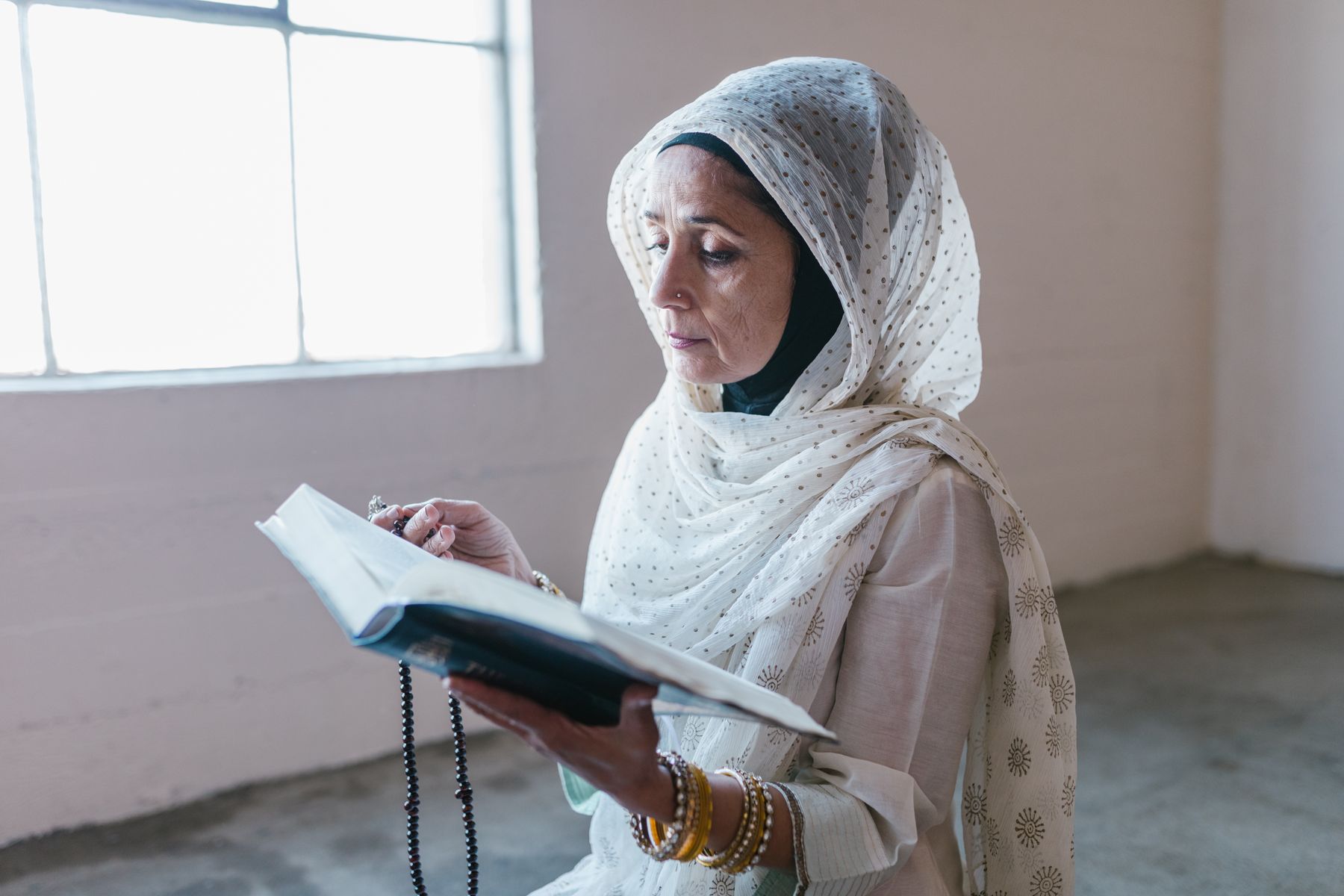
Match the learner according to course, age, communication needs and available schedule.
A child learning Qaida, a fluent reader improving Tajweed and a Hifz student may need different teaching strengths. Match the tutor to the actual goal.
Qaida, Quran reading, Tajweed, Hifz or Islamic studies.
Request a male or female Quran teacher based on availability.
Clear English-friendly explanation for U.S. families and children.

Children can connect recitation with Salah, duas, Seerah and everyday Muslim manners.
Age-appropriate Islamic studies can complement Quran lessons with practical knowledge children can understand and use.
Support foundational understanding of prayer and worship.
Connect Islamic knowledge with daily habits and character.
Introduce meaningful stories and lessons in an age-appropriate way.

Choose recurring lesson times that make sense in the student’s local U.S. timezone. Tutor availability can vary, so the trial is the best place to discuss preferred days and times.
The correct starting point depends on the child’s current level. Complete beginners commonly start with Arabic letters and Noorani Qaida before moving into fluent Quran reading.
Yes. A child who does not know Arabic letters can begin from foundational letter recognition and pronunciation.
Yes. Tajweed can be taught through live Makharij practice, pronunciation correction and practical application while the child recites Quran.
A Hifz plan can combine new memorization, recent revision, older review and recitation correction according to the student’s level.
Families can request a male or female Quran teacher based on tutor availability and the child’s learning needs.
Yes. Each child can follow a separate path based on current ability, such as Qaida, Quran reading, Tajweed or Hifz.
Scheduling can be discussed around U.S. school and family routines, subject to tutor availability.
The trial can be used to discuss the child’s current Quran level, course goal, teacher preference and suitable lesson schedule.

Share the child’s current Quran level, learning goal, preferred tutor and suitable U.S. schedule. Use the trial to understand the fit before choosing a recurring plan.